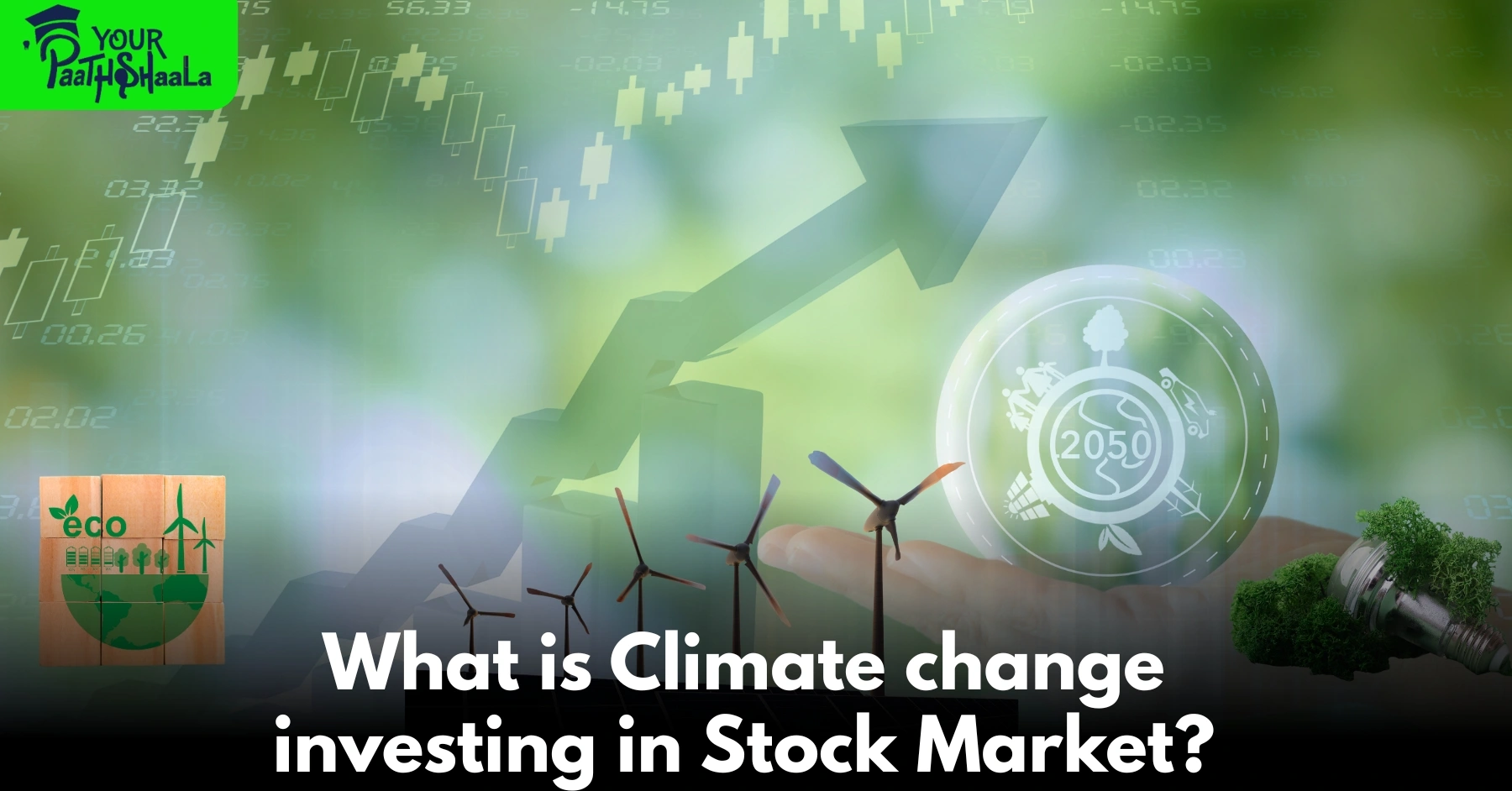
Climate change is no longer a distant threat—it’s here, influencing everything from weather patterns to the way financial markets behave. While most people think of climate change as an environmental or social issue, smart investors are realizing it’s also a financial challenge that demands a new way of thinking.
Traditional investment strategies relied heavily on diversification: spreading investments across different asset classes to reduce risk. But what happens when climate-related events disrupt these patterns? Suddenly, assets that once balanced each other start moving in the same direction. This means that during extreme climate events—like heatwaves, floods, hurricanes, or prolonged droughts—your carefully balanced portfolio may not be as safe as you think.
In this article, we’ll explore how climate change is changing asset correlations, why adaptive strategies are now essential, and what practical steps you can take to protect and grow your investments in a climate-conscious world.
The Problem with Old Diversification Models
For decades, the idea was simple: diversify your portfolio to reduce risk. Stocks, bonds, commodities, real estate, and other assets would often react differently to market events. If one sector was down, another might be up, balancing your returns.
However, climate change is disrupting these relationships.
Here’s why:
Shared Exposure to Climate Risks: Multiple industries—such as agriculture, transportation, insurance, and even technology—can be affected by the same extreme weather event.
Global Supply Chain Vulnerabilities: Climate disruptions in one part of the world can impact businesses and markets thousands of kilometers away.
Policy Shocks: Sudden government actions like carbon taxes or new environmental regulations can affect many sectors at once.
This creates correlation instability—a situation where the relationships between assets change unpredictably. In practical terms, your portfolio might lose its protective balance just when you need it most.
Why Adaptive Strategies Are the Future
If climate change is altering how markets behave, then the strategies we use to invest must also change. This is where adaptive investment strategies come into play.
Adaptive strategies use real-time data, climate risk modeling, and flexible allocation to adjust portfolios as conditions shift. Instead of sticking to a fixed allocation year after year, investors make changes when warning signs appear.
For example:
During climate-induced commodity price swings: An adaptive strategy might reduce exposure to vulnerable agricultural stocks and increase investment in renewable energy or water technology companies.
When policy changes are imminent: It might shift capital toward businesses that benefit from new regulations, such as green infrastructure firms.
This dynamic approach allows investors to react quickly to both risks and opportunities.
Climate Hedging: Protecting Your Returns
Just like a farmer hedges against bad weather with crop insurance, investors can hedge against climate risks using financial tools.
Climate hedging involves:
Investing in climate-resilient sectors like renewable energy, water management, and sustainable agriculture.
Using derivatives or insurance-linked securities that provide payouts during extreme climate events.
Allocating funds to geographic regions less vulnerable to specific climate threats.
Hedging doesn’t just protect against losses—it can also create new sources of profit as demand grows for sustainable and resilient solutions.
Practical Steps for Climate-Smart Investing
If you’re wondering how to start, here are some actionable steps:
- Analyze Climate Exposure in Your Portfolio
Look at which industries and regions your investments rely on. Are they vulnerable to climate change impacts? - Incorporate Climate Data
Use climate risk analytics and scenario modeling to see how your assets might perform in different climate futures. - Diversify with Climate-Resilient Assets
Include sectors like renewable energy, battery storage, sustainable forestry, and water purification technologies. - Stay Flexible
Avoid rigid allocation rules—update your portfolio as climate risks and opportunities evolve. - Educate Yourself Continuously
Climate finance is a rapidly evolving field. The more you learn, the better your decisions will be.
Why Education Matters
At YourPaathshaala, we specialize in breaking down complex financial and environmental concepts into clear, easy-to-understand lessons. Whether you’re new to investing or already have a portfolio, understanding climate risk is no longer optional—it’s essential.
We also offer free demo classes where you can ask questions and see how our training can help you navigate the future of investing with confidence.
Visit YourPaathshaala
Near Anjali Children Hospital, Tagore Nagar, Mathpurena, Raipur
PIN Code: 492001, Chhattisgarh Click the Call Now to start learning how financial systems really work! To check out the full article click here!









Add a Comment